
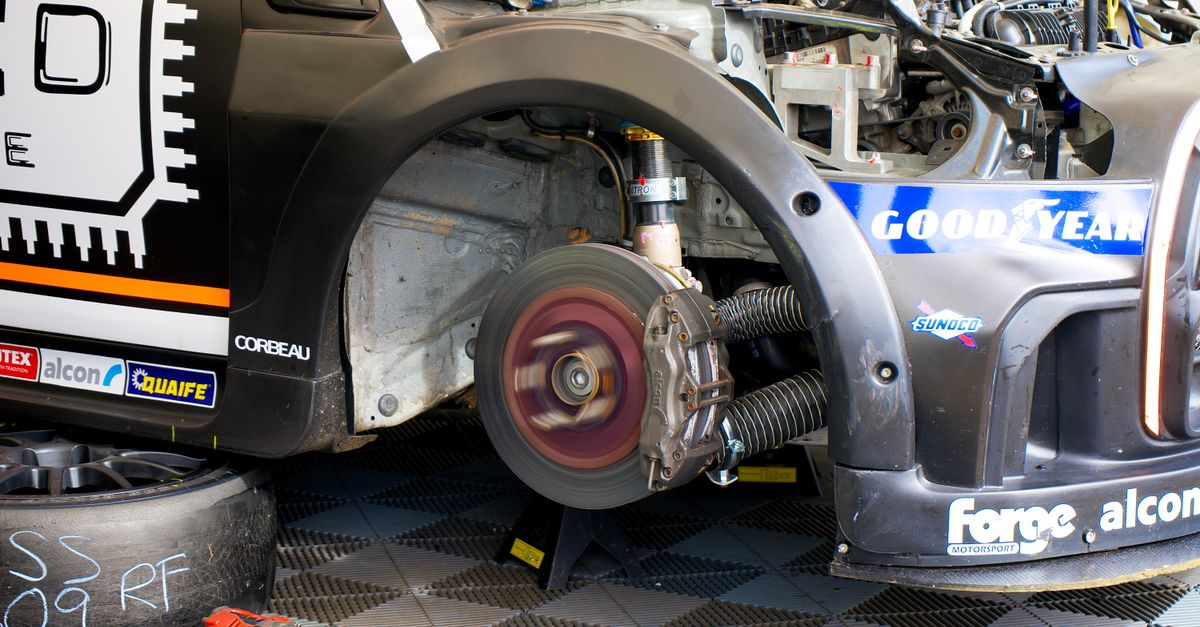
Drivers navigating the busy streets of Hamilton know that reliable stopping power is essential for daily commutes, especially as late autumn temperatures drop and winter weather approaches. Many motorists wait for a loud metallic grinding noise before checking their braking system, but waiting that long often leads to more costly damage to your rotors. By paying close attention to subtle changes in how your vehicle responds when you press the pedal, you can catch worn components early and schedule timely brake repair before safety is compromised. As a family-owned shop on Barton Street East serving Hamilton drivers for over 20 years, we often talk with motorists who are surprised to learn that brake pads wear down gradually over thousands of kilometres. Because this wear happens slowly, drivers easily adapt to changing pedal behaviour without realizing a component is nearing the end of its functional life. Knowing what tactile signs to look for helps you protect your vehicle and keeps your daily drives through Stoney Creek, Ancaster, and Burlington safe and predictable.
01. Soft Pedal Feel and Increased Travel
One of the earliest signs that your braking system needs professional attention is a noticeable change in pedal firmness. If you press down on the brake pedal and it feels softer, spongy, or requires you to push it down further than usual before you feel the vehicle slow down, your pads or hydraulic lines may be struggling.
- Friction material thins out over time, requiring the caliper piston to travel a greater distance.
- Fluid levels can drop as pads wear down and pistons push further into the caliper assembly.
- Spongy feedback can also point to air in the brake lines, which demands prompt inspection.
Ignoring a soft pedal can lead to extended stopping distances, particularly on wet or leaf-covered roads around Dundas. If your pedal does not bite with its usual confidence, it is wise to have our technicians evaluate the system to determine if you need new pads or a comprehensive fluid check.
02. Subtle Vibrations and Steering Feedback
Another subtle clue that your friction material is running low is a faint vibration or pulsation transmitted through the steering wheel or the floorboards when you press the brake pedal. While severe shaking usually indicates warped rotors, very light pulsations can start when pads wear unevenly across the disc surface.
- Uneven friction material creates microscopic high and low spots on the rotor face.
- Steering wheel shimmies often become more pronounced when braking from highway speeds.
- Ignoring these early vibrations allows uneven wear to ruin otherwise healthy rotors.
To keep your steering smooth and responsive, pay attention to any unusual feedback during deceleration. Pairing a brake inspection with a wheel alignment ensures your vehicle tracks straight and stops evenly under all driving conditions.
03. Changes in Stopping Response and Car Pulling
When brake pads wear down past safe thresholds, you might notice that your car hesitates to slow down promptly or drifts slightly to one side when you apply the brakes. This directional pull often happens when a caliper sticks or when pads on one side of the vehicle have deteriorated faster than the other side.
- Uneven pad thickness creates asymmetric friction forces across the front axle.
- A sluggish response time increases your total stopping distance in unexpected traffic situations.
- Consistent maintenance checks help ensure all four wheels grab the road with equal force.
04. Frequently asked questions
How often should I have my brakes checked in Hamilton?
We recommend having your braking system inspected during routine seasonal maintenance intervals, such as when you switch to winter tires or come in for an oil change. Regular checks catch thinning pads long before they create safety concerns.
Can I drive short distances if my brake pedal feels soft?
Driving with a soft or spongy brake pedal is strongly discouraged because it indicates compromised hydraulic pressure or worn components. It is always safest to have the vehicle towed or driven carefully directly to our shop for a professional diagnosis.
Do new brake pads require a break-in period?
Yes, newly installed friction materials benefit from a brief bedding-in process where the pads and rotors conform to each other. Our team will provide clear guidance on how to drive during the first few days following your service.
To keep your vehicle stopping reliably through every season, call us at (905) 547-1234 or contact us to schedule your next service appointment today.
"Catch worn brake pads in Hamilton before metal touches metal by watching for subtle pedal changes and vibrations."
In conclusion, staying on top of your vehicle's maintenance ensures longevity and performance. Addressing issues as soon as they arise keeps your vehicle running smoothly for years to come.
Discussion (0)
Loading comments...
Leave a Comment