
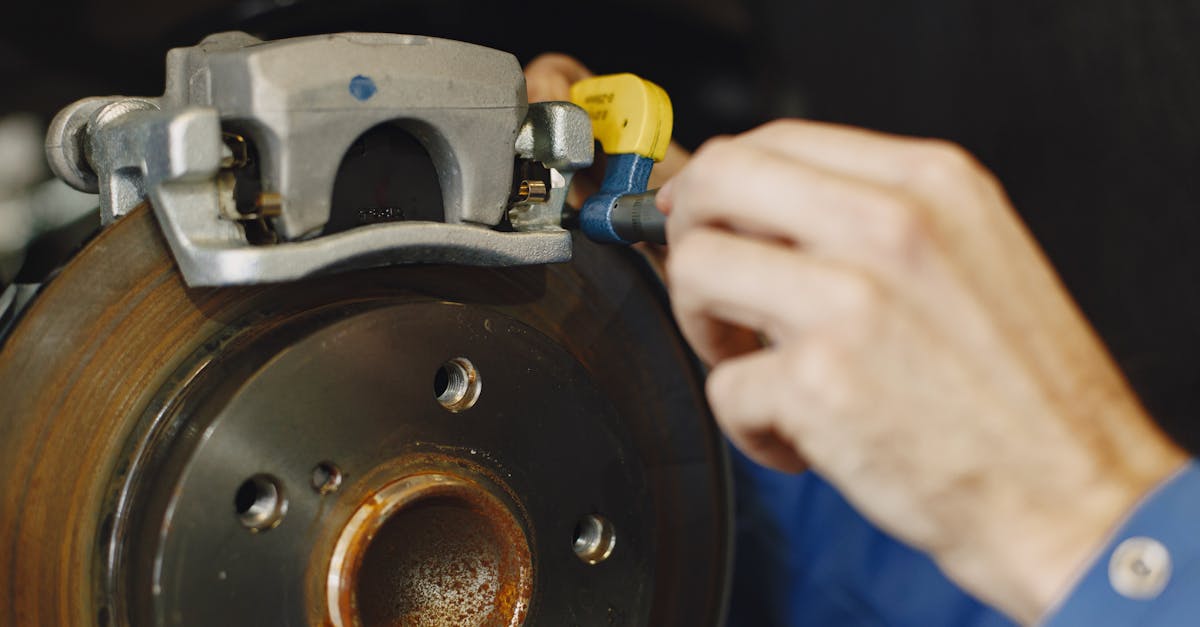
Hearing an unexpected metallic noise when you step on the brake pedal during your morning commute through Hamilton can be genuinely unsettling. That sharp, abrasive sound is rarely something that goes away on its own, and ignoring it usually leads to more expensive repairs down the road. Understanding what happens inside your wheel assembly helps you make smart choices for your daily driver as autumn weather sets in.
01. The Design Behind the Brake Wear Indicator
Inside your wheel, your brake pads rely on a friction material pressed against a metal rotor to slow your vehicle. Embedded inside many standard brake pads is a small, bent piece of spring steel known as the wear indicator. As you drive around Hamilton, Stoney Creek, Ancaster, Dundas, and Burlington, that friction material slowly wears down month after month. Once the pad material thins out to a specific safety margin, that little metal tab begins to make direct contact with the spinning steel rotor.
That deliberate contact creates the distinct metallic scraping or squealing noise you hear through the floorboards. Manufacturers design this indicator specifically to sound harsh and unpleasant so you notice it right away. It serves as an early audio warning before the friction material completely vanishes and raw metal starts grinding against raw metal. If you hear this sound, your car is telling you quite clearly that it needs attention soon.
02. What Happens If You Delay Brake Service
Driving past the initial warning stage changes a minor pad replacement into a much larger mechanical issue. Once the pad material is entirely gone, the steel backing plate of the pad slams directly into the brake rotor every time you stop. This metal-on-metal contact scores deep grooves into the rotor surface, generates intense heat, and dramatically reduces your vehicle's stopping power on wet October roads.
- Steel backing plates grind smooth rotor surfaces flat
- Deep scoring ruins rotors beyond safe machining limits
- Braking distances increase significantly in heavy rain
- Calipers can sustain damage from excessive piston travel
Taking care of the issue early keeps repair bills manageable and ensures your vehicle stops predictably when traffic slows down unexpectedly. Our family-owned shop on Barton Street East has been serving Hamilton drivers for over 20 years, helping local families keep their braking systems safe and responsive through every season.
03. Other Common Causes of Unusual Brake Noises
While wear indicators cause a steady scrape, other noises point to different parts of the braking assembly. For instance, a sharp squeal at low speeds can mean dust or moisture has settled between the pad and rotor overnight. This often happens during damp autumn mornings when morning dew collects on the metal components.
Another sound to watch for is a low growling or grinding that intensifies when you press harder on the pedal. This usually indicates that the rotors have already sustained surface damage or that a caliper slide pin is stuck. Regular inspections at our shop help catch these minor quirks before they turn into major safety concerns on the highway.
04. Frequently asked questions
Can I keep driving if the scraping noise stops sometimes?
No, a scraping sound that temporarily disappears does not mean the problem fixed itself. As pads wear thinner, debris or shifting metal can change the sound, but the underlying lack of material remains.
Is it dangerous to drive with worn brake pads?
Yes, severely worn pads reduce stopping power and can damage rotors or calipers. It is always safest to inspect the system as soon as you notice any unusual noises.
How do I schedule an appointment for my car?
You can easily contact us to set up an inspection for your brake repair needs before winter weather arrives.
If you hear scraping or notice any other changes in your pedal feel, stop by our shop or reach out to us. You can call our team at (905) 547-1234 or use our contact us page to book an appointment today.
Photo: Gustavo Fring / Pexels
"Hearing a metallic scraping sound when you brake? Learn what brake wear indicators mean and when to visit our Hamilton shop for service."
In conclusion, staying on top of your vehicle's maintenance ensures longevity and performance. Addressing issues as soon as they arise keeps your vehicle running smoothly for years to come.
Discussion (0)
Loading comments...
Leave a Comment